
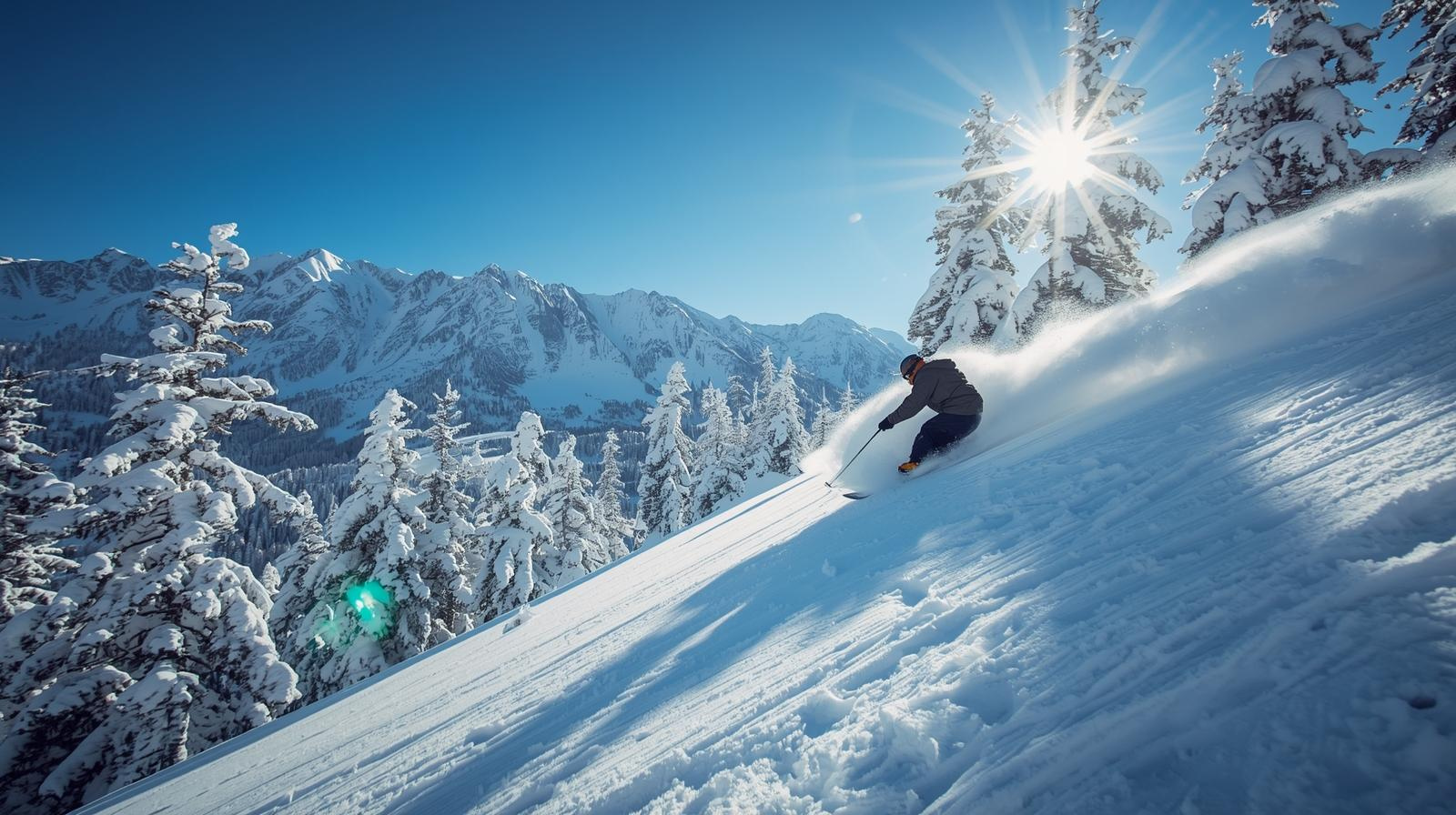
Japan’s powder attracts skiers and snowboarders from around the world. Before leaving an open run, check where the resort allows you to ride.
Off-piste terrain, resort boundaries, closed areas, and backcountry access are different things. A gate or a rope does not, by itself, tell you whether an insurance claim will be covered.
Off-Piste, Boundaries, and Prohibited Areas
Resorts may use these terms differently. Check the current map and signs rather than relying on a label alone.
- Off-piste generally means skiing or riding away from marked runs. It describes terrain, not permission to enter. An ungroomed run can still be an open, marked resort run.
- Closed or prohibited areas are areas you are instructed not to enter. They may be inside or outside a resort boundary.
- A resort boundary marks the edge of the resort area. It is different from a temporary closure within that area.
- Backcountry is terrain beyond the resort’s managed area. Do not expect resort safety management there.
- Sidecountry usually means backcountry reached from a resort. Being close to a lift does not remove backcountry hazards.
Gates, Resort Rules, and the Law
Some resorts allow access beyond their boundary through designated gates. Others restrict access. An open gate does not make the terrain safe or confirm insurance cover.
For example, the Niseko Rules require riders leaving the resort for backcountry terrain to use gates and prohibit entry when those gates are closed. These are local rules, not a rule for every resort in Japan.
Follow the resort’s current access instructions. Do not duck or jump a boundary rope, enter a closed gate, or follow tracks into a prohibited area. If you are unsure, ask resort staff before continuing.
Resort rules and the law are separate. Permission to use a gate does not mean every legal requirement has been met. For example, Nagano Prefecture requires advance submission of a climbing plan when using designated mountain trails. Check whether this requirement applies to your intended route.
Backcountry travel also needs preparation, avalanche knowledge, and suitable equipment, including an avalanche beacon (transceiver), shovel, and probe with the skills to use them. Equipment alone does not make a route safe.
Hakuba47: Tree Riding Zone Rules
Hakuba47’s Tree Riding Zones are designated areas within the resort, not backcountry exit gates. The resort describes them as unpatrolled areas for advanced riders.
The published 2025–26 rules required a safety video, registration, a waiver, and an armband. Check the official Tree Riding Zone page for the current season’s requirements and opening status. Registration does not mean an area is open or that patrol knows your location.
How Resort Rules May Affect Insurance
Follow resort rules regardless of your insurance. Cover depends on your policy wording and the facts of the incident, including the activity, location, and whether rules or warnings were followed.
Do not assume that crossing one rope automatically decides every claim, or that using an open gate guarantees cover. Depending on the policy, cover may exclude off-piste or backcountry riding, or claims connected with ignored safety warnings.
Check the policy issued for your country of residence, plan, purchase date, and any activity options. Check search and rescue, medical evacuation, and medical expenses separately. Ask your insurer about your planned activity and location if anything is unclear.
For an example of activity limits and exclusions, see the Allianz Australia policy wording. This is an Australian product, not a recommendation or a promise of cover. Use the documents issued with your own policy.
Follow Patrol Instructions
Follow current signs, closures, and patrol instructions. Tracks in the snow do not show that an area is open. If a rope, sign, or boundary is unclear, stop and ask resort staff.
The Hakuba Valley safety guidance and Hakuba47 patrol information explain local restrictions. Check the information for the resort you are visiting.
Conclusion: Check Before You Ride
Off-piste does not mean permission to enter. Check the resort’s current map, opening status, and access rules. Stay out of closed and prohibited areas, prepare for the terrain, and check your insurance separately.