.png)
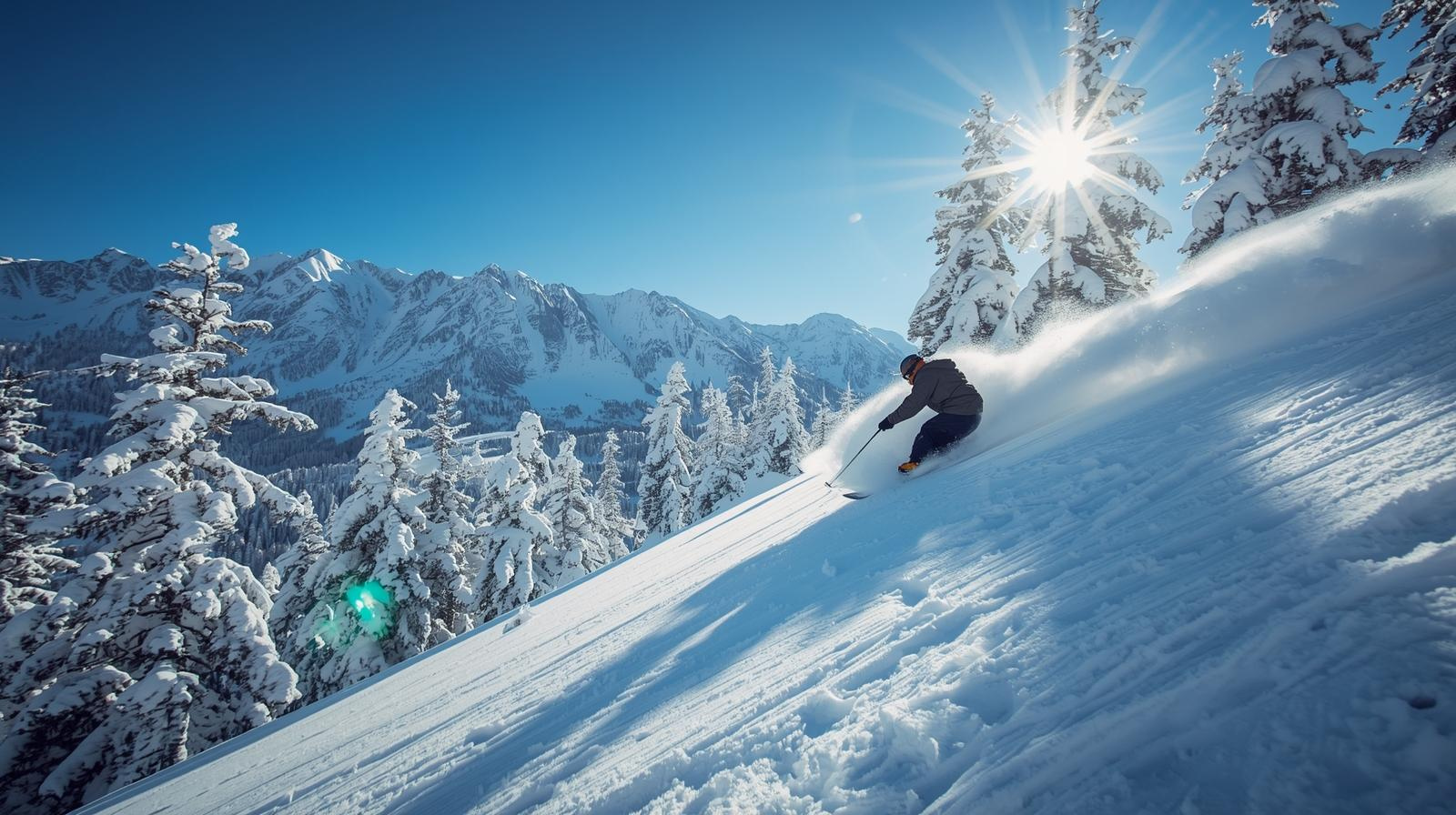
Japan’s world-class powder, famously known as "Japow," is a dream for every rider. Many visitors head straight for the trees and sidecountry to find those deep, untouched stashes.
However, there is a common and potentially fatal misunderstanding: "In Japan, you can ride anywhere."
This is not true. In major areas like Hakuba and Niseko, strict local rules exist to separate managed safety from the raw wilderness. Crossing a single rope without understanding these rules doesn't just put your life at risk—it could also instantly void your insurance.
As a former ski resort employee (20 years ago) and a current resident of the Nagano mountains, I have seen these slopes from both the inside and the outside. Today, as a passionate snowboarder who calls this place home, I want to share the reality of Japan’s boundaries—not as a mountain guide, but as a local who wants every visitor to return home safely.
What are the "Hakuba Rules"?
20 Years Ago: The Era of Total Prohibition When I worked at a local resort 20 years ago, the rules were simple: everything outside the ropes was 100% prohibited. If you were caught, your lift pass was confiscated immediately. There was no such thing as "legally riding powder" outside the marked courses.
The Evolution: A Compromise for Powder Lovers As international demand for powder grew, a series of negotiations took place between resorts, local authorities, and the police. The result was the "Hakuba Rules"—a system designed to allow access to the backcountry through specific "Gates" while keeping the resort's managed areas safe. Today, we can enjoy the powder legally only because of this historical compromise.
The Gate System: Your Only Legal Way Out
The Hakuba Rules define a clear line between the "Managed Area" (where the resort is responsible) and the "Backcountry" (where you are responsible).
- The Gate = "Legitimate Entry": Entering the backcountry through an official gate means you are transitioning from a resort guest to a mountain climber. This requires proper gear—Beacon, Shovel, and Probe—and the knowledge to use them.
- Rope Ducking = "Violation": Crossing a rope where there is no gate is not 'riding off-piste.' It is an unauthorized act that violates the resort's safety management rules — and in some cases, it may also carry legal implications under Japan's Minor Offense Act.
Special Local Rules: Registration & Bib Systems
Some resorts, like Hakuba47, have gone a step further by providing authorized access to designated off-piste zones.
- Tree Riding Zones (TRZ): To ride these areas, you must attend a safety briefing, sign a waiver, and wear a numbered bib/armband.
- Respect the System: These rules aren't meant to stop your fun; they are meant to ensure that if you go missing, the patrol knows who you are and where you went. Riding these zones without a bib is a major violation that patrol takes very seriously.
Why "Rope Ducking" Voids Your Insurance
This is the most critical point: Rope ducking can turn your premium travel insurance into a useless piece of paper.
The "Gross Negligence" Clause Almost every insurance policy contains an "Exclusion Clause" stating they will not pay if the accident was caused by:
"Intentional acts, gross negligence, or violation of local laws and regulations."
A rope or a 'STOP' sign is a clear warning from resort management. Ignore it, trigger an avalanche, or require a rescue — and insurance companies will likely label it as Gross Negligence. The result? You could be facing helicopter evacuation and medical bills totaling 1–3 million yen ($7,000–$20,000 USD) or more, all coming entirely out of your own pocket. One single rope-duck could lead to life-altering debt.
Respect the Patrol: They Are There to Save You
Ski patrol members are not "powder police." They are mountain professionals who risk their lives to keep the slopes safe. When they put up a rope, it’s because they have identified a real danger—hidden cracks, avalanche risks, or terrain traps.
Experienced riders know to respect the patrol's judgment. A true rider respects the mountain, the local rules, and the people who manage them. ---
Conclusion: Knowledge is Your Best Gear
"Off-piste" is a playground, but "Prohibited Areas" are a hard boundary. Understanding this difference is the most important skill you can bring to Japan.
Stay informed, get the right insurance, follow the gates, and let's keep the mountains safe for everyone.
Following resort rules can help reduce safety risks and avoid potential insurance exclusions.
Check current World Nomads policy terms before your trip.