base.shortstop@gmail.com

.png)
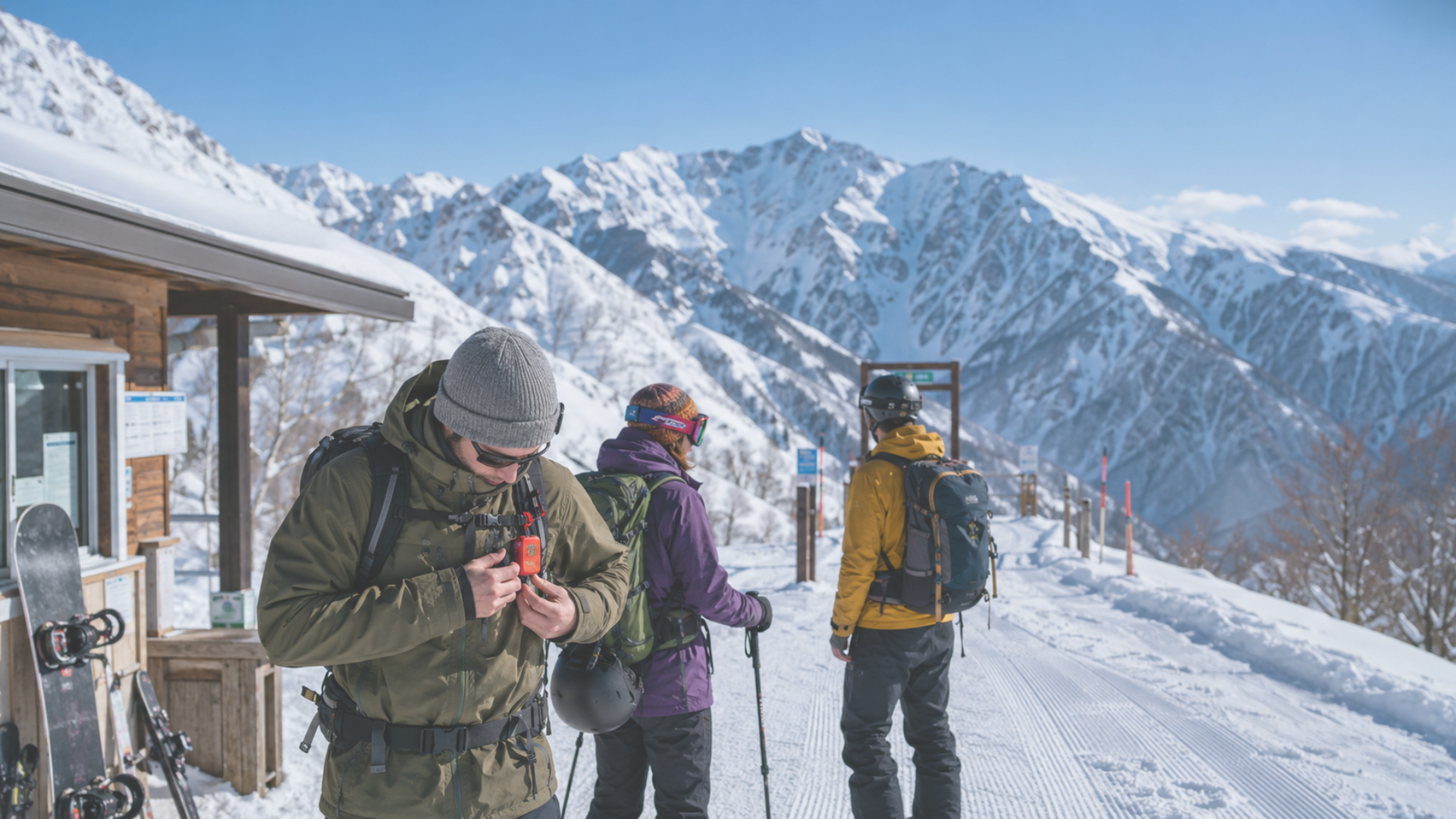
Everything You Need to Know Before Your Trip Imagine you've decided to explore Japan's legendary backcountry. You've packed your avalanche beacon, probe and shovel. Then someone mentions a device you've never heard of : COCOHELI. Can foreign visitors use it? Do you need to become a member? Can you rent one for just a few days? Here's everything you need to know before heading into Japan's mountains. What Is COCOHELI? COCOHELI is a radio-based rescue support system developed in Japan. Unlike an avalanche beacon, it's designed to help professional rescue teams locate missing riders. If you're new to COCOHELI, our ...
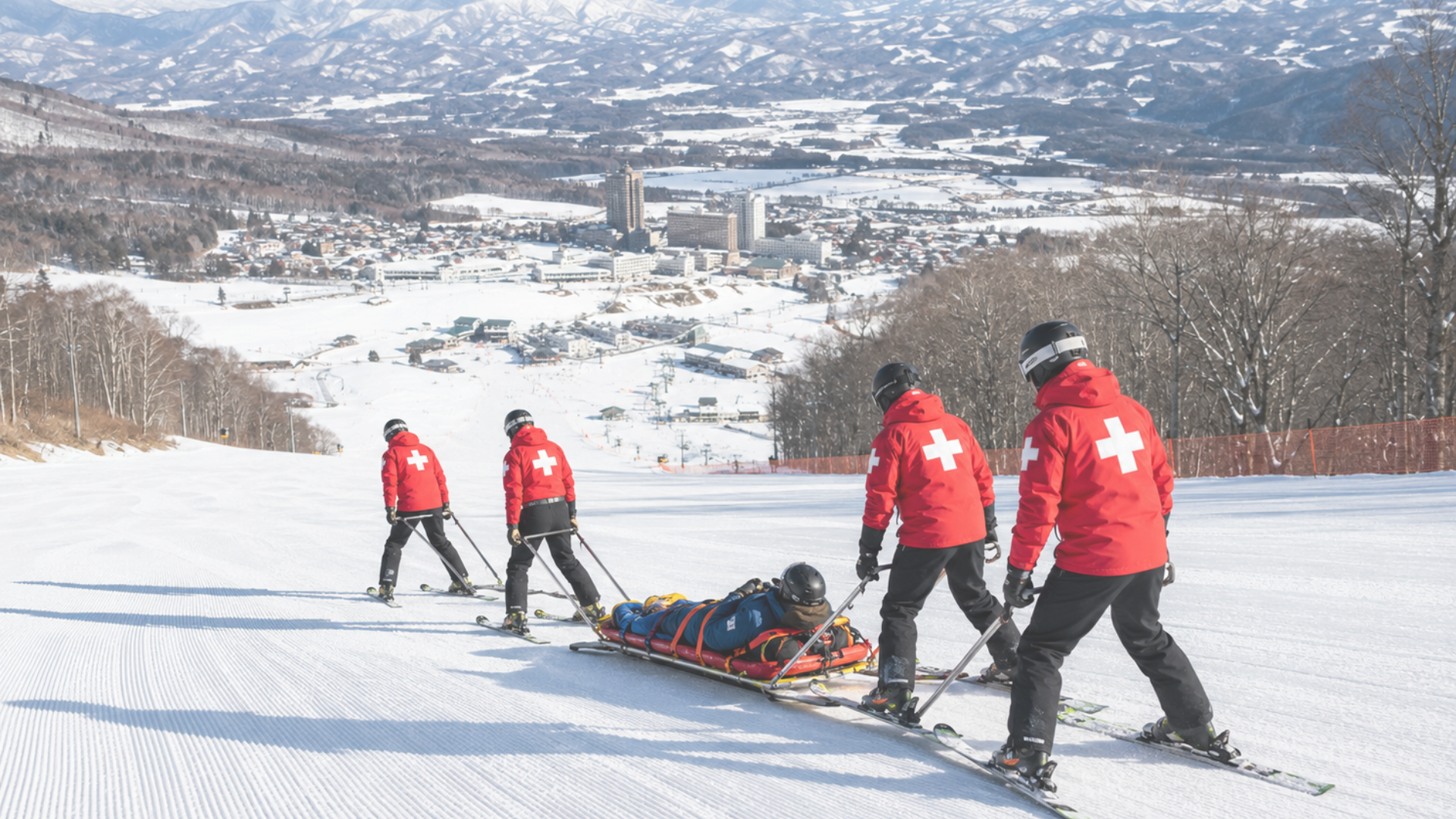
A Step-by-Step Guide for Foreign Visitors You're halfway down a run in Hakuba. The snow is soft. Visibility is good. Then it happens. You catch an edge. Your ski twists awkwardly. You try to stand... ...but your knee won't support your weight. Your friends stop beside you. Someone asks, "Should we call an ambulance?" In Japan, that's usually not the first step. Most ski accidents follow a process that many international visitors have never experienced before. Knowing what happens next won't prevent an accident—but it can make an already stressful situation far less confusing. Step 1 — Contact Ski Patrol ...
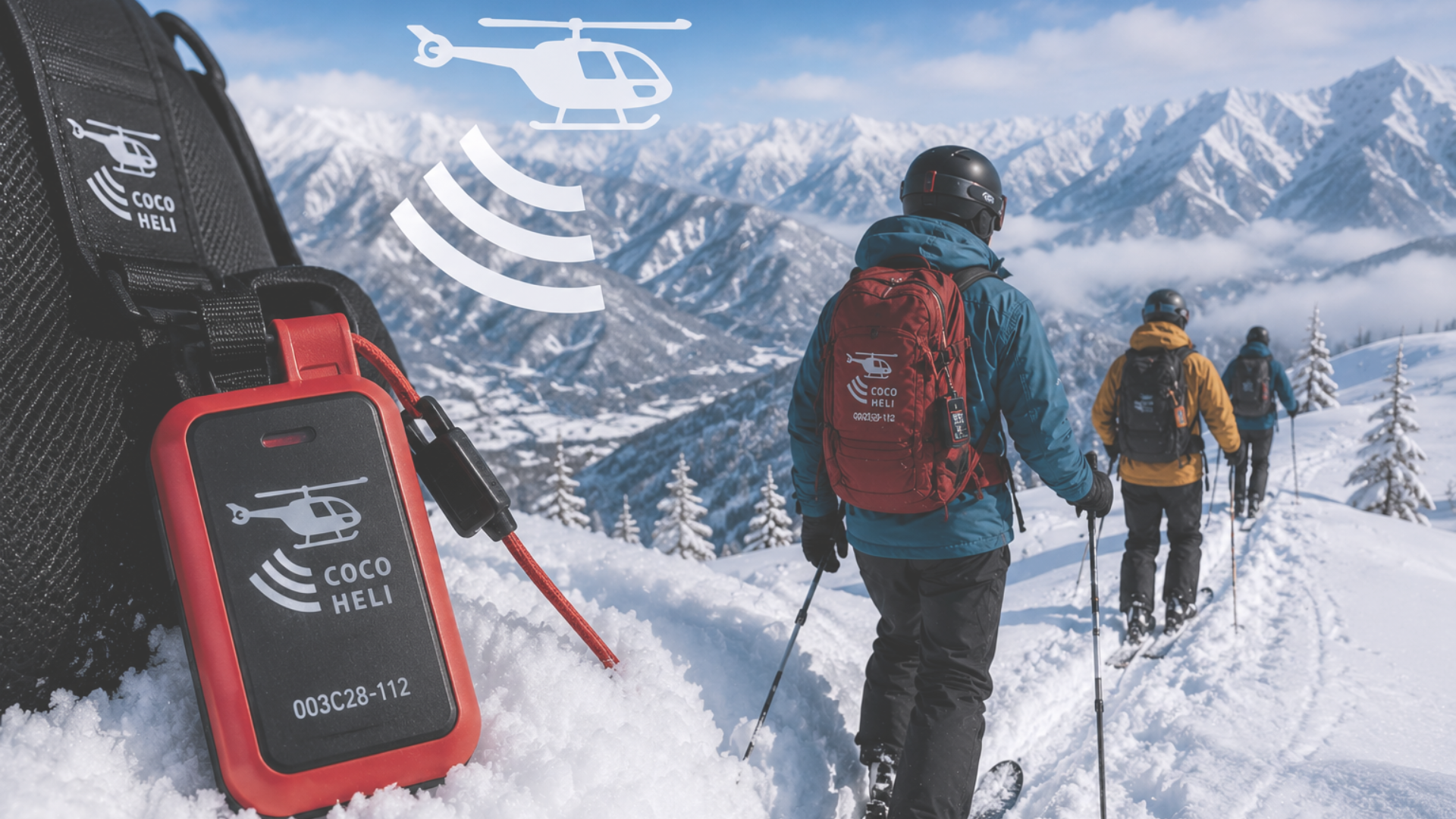
If you're planning to ski or snowboard in Japan, you've probably heard about avalanche beacons. You may have packed a beacon, probe, and shovel before your trip. But there's a good chance you've never heard of COCOHELI. That's not surprising. Outside Japan, very few riders know what it is. Yet within Japan's mountain community, more than tens of thousands people have joined the system, and it has become a familiar part of backcountry safety culture. So what exactly is COCOHELI? And why does it exist in Japan? Japan's Mountains Are Different Than Many Visitors Expect When international riders think about ...
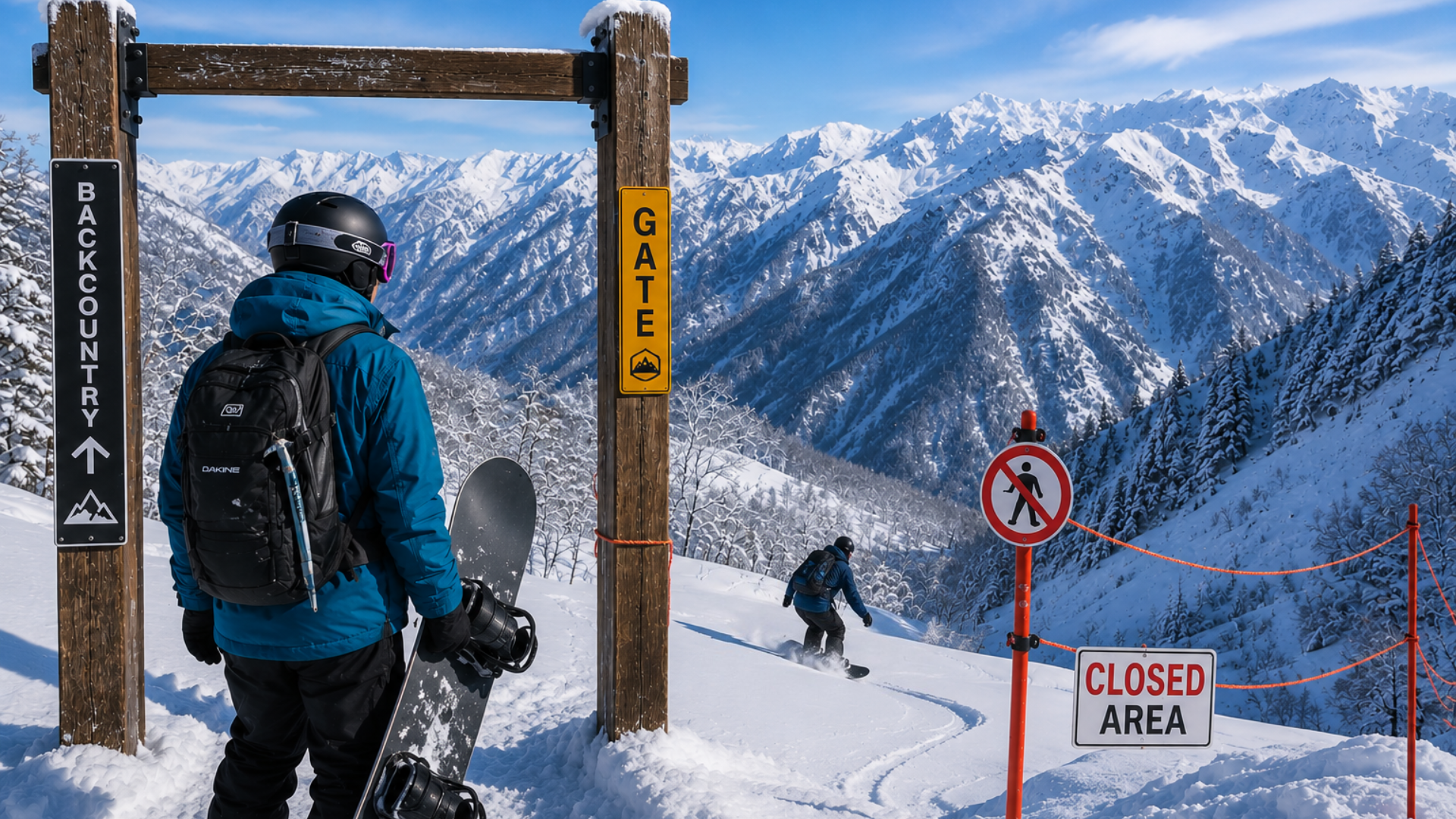
Every winter, thousands of skiers and snowboarders travel to Japan chasing deep powder, legendary tree runs, and the famous “Japow” experience - Sooner or later, many visitors hear conflicting advice. Some say off-piste skiing is completely illegal. Others insist you can ride anywhere and nobody will stop you. Neither is true. The reality is more nuanced — and understanding it matters more than most visitors realize. In Japan, some off-piste terrain can be accessed legally, while other areas are strictly prohibited. Understanding the difference is important not only for your safety, but also for your insurance coverage and potential rescue ...
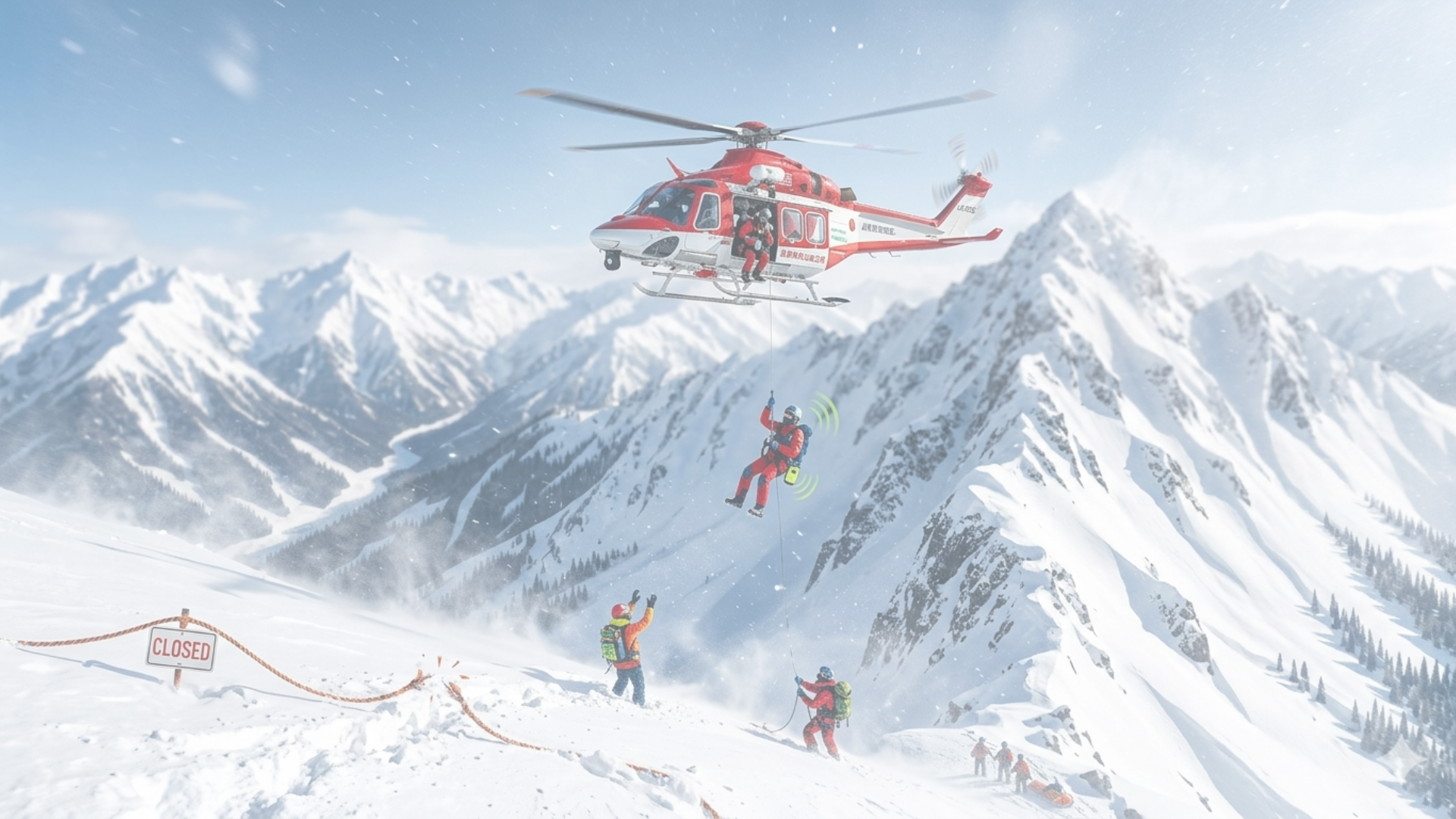
Every winter, thousands of riders flock to Japan, drawn by the irresistible allure of "Japow." The powder in areas like Hakuba, Niseko, and Myoko is legendary—deep, dry, and seemingly endless. For many, riding the pristine backcountry or ducking into the sidecountry trees is the ultimate snowboarding or skiing dream. But the raw, untamed nature of Japan's winter wilderness holds a harsh reality. When things go wrong in the Japanese backcountry, they go wrong quickly. A sudden whiteout, an unexpected terrain trap, a deep tree well, or a triggered avalanche can turn a dream vacation into a desperate fight for survival. ...
Most riders heading to Japan's mountains assume they're covered. They booked the flights, packed the gear, and somewhere in the back of their mind, they remember that their credit card comes with travel insurance. That feels like enough. It almost certainly isn't — at least not for backcountry or off-piste riding in Japan. This article breaks down exactly where credit card travel insurance falls short in Japan's mountains, and what to check before you assume you're protected. What Credit Card Travel Insurance Actually Covers Credit card travel insurance is a genuine benefit — for specific situations. Lost luggage, cancelled flights, ...
Why "Standard" Travel Insurance Won't Cut It in Japan Most riders arrive in Japan with some form of travel insurance. Most assume they're covered. Most are wrong. Standard travel insurance policies — the kind bundled with credit cards or booked as an afterthought — typically exclude two things that matter most in Japan's mountains: backcountry and off-piste activities, and Search and Rescue (SAR) costs. In Japan, a private helicopter rescue alone can run ¥1,000,000–¥2,000,000 for a single mission. Hospital treatment for foreign visitors is billed at private rates — typically two to three times the standard cost. And if you ...
Japan’s world-class powder, famously known as "Japow," is a dream for every rider. Many visitors head straight for the trees and sidecountry to find those deep, untouched stashes. However, there is a common and potentially fatal misunderstanding: "In Japan, you can ride anywhere." This is not true. In major areas like Hakuba and Niseko, strict local rules exist to separate managed safety from the raw wilderness. Crossing a single rope without understanding these rules doesn't just put your life at risk—it could also instantly void your insurance. As a former ski resort employee (20 years ago) and a current resident ...
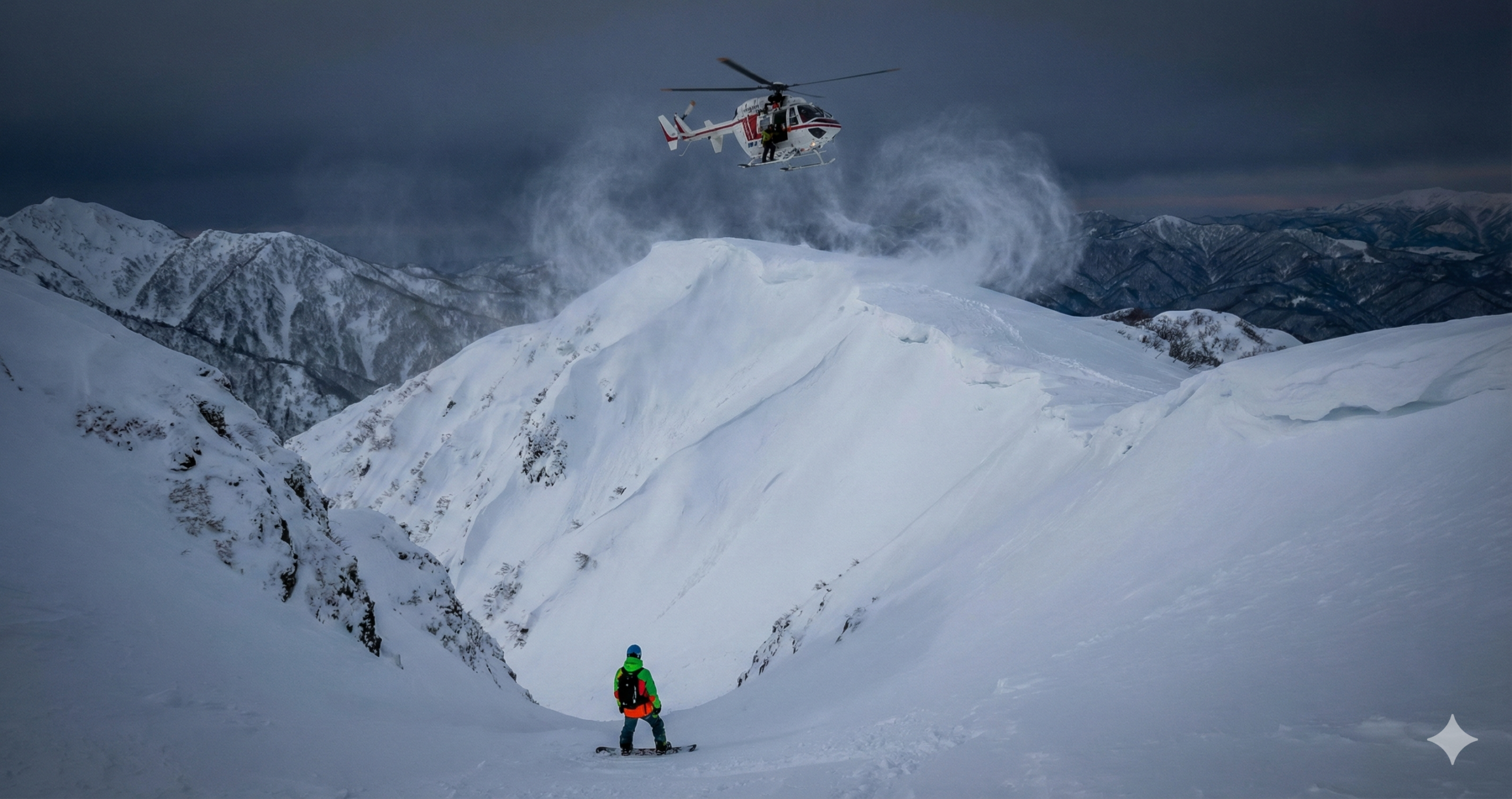
You crossed an ocean for Japan's powder. Don't let that adventure end with a debt that follows you home for years. Reports of tourists getting lost — and rescued — in Japan's mountains are making headlines every season. What most visitors don't realize is that rescue here is never free. Here's the reality, backed by numbers and law. It's Not About Your Nationality — It's About Who Saves You There's no rule that says "free for Japanese, paid for foreigners." Whether you get a bill comes down to one thing: who responded to your rescue. Public services (free): If police ...